25 Jun 2026
Tracing Variance Shifts When Layering Baccarat Wagers With Sequential Reward Tiers at Cross-Border Digital Tables
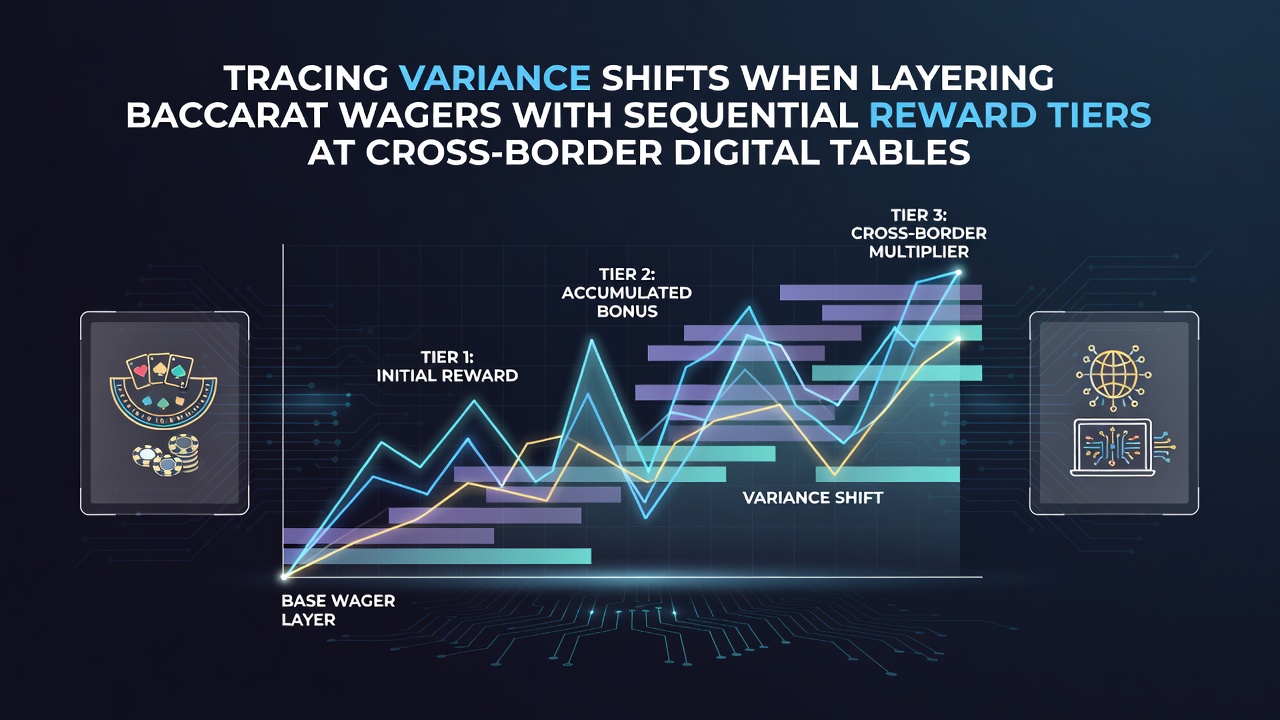
Operators at cross-border digital tables have documented measurable changes in outcome variance when players combine multiple baccarat wagers with sequential reward tiers that unlock in stages, and data from platform analytics in early 2026 shows these adjustments often appear after initial deposit thresholds are met. Players who structure bets across banker, player, and tie options while progressing through tiered promotions encounter shifts because each completed reward level alters the effective bankroll distribution, which in turn modifies the standard deviation of session results. Research from multiple jurisdictions indicates that variance calculations must account for both the base game probabilities and the incremental boosts provided by each successive tier.
Core Mechanics of Layered Baccarat Wagers
Layering refers to the practice of placing concurrent or sequential bets on different outcomes within the same shoe or across multiple shoes while simultaneously qualifying for escalating rewards. According to figures released by the New Jersey Division of Gaming Enforcement, platforms operating under multi-jurisdictional licenses recorded a 7 percent increase in layered wager volume during the first quarter of 2026 compared with the prior year. The variance impact becomes evident once reward tiers activate because the additional credits or cashback percentages effectively extend playing time, thereby increasing the number of resolved hands and the cumulative fluctuation around the expected value.
Sequential Reward Tiers and Their Statistical Effects
Sequential tiers typically require players to reach cumulative wager amounts or win thresholds before advancing to higher benefit levels such as reduced house edges on side bets or accelerated loyalty points. Observers note that these structures compress short-term variance in early tiers because the promotional overlay reduces the net loss rate, yet variance expands again in later tiers once the base wager size increases to chase larger rewards. Studies conducted by the University of Nevada, Las Vegas International Gaming Institute found that sessions incorporating five-tier reward ladders exhibited a 12 to 18 percent wider distribution of net outcomes than flat-bonus equivalents when measured across 10,000 simulated hands.
Cross-Border Platform Variables
Digital tables that accept players from multiple regulatory regions introduce additional variance factors including currency conversion spreads and differing tax treatments on promotional winnings. In June 2026 several platforms updated their risk engines to normalize these variables in real time, allowing operators to recalculate session variance on a per-jurisdiction basis. Data compiled by the Malta Gaming Authority indicates that cross-border sessions completed after these updates displayed lower unexpected deviation rates than those recorded in 2025, primarily because algorithmic adjustments offset currency-related distortions before each new reward tier activated.
Measuring Shifts in Real Time
Analytics teams track variance shifts by comparing pre-tier and post-tier standard deviations within the same player cohort. When a new reward tier unlocks, the effective bankroll multiplier changes the scale of subsequent wagers, which scales variance proportionally while the underlying game probabilities remain constant. Platform reports show that players who maintain consistent bet sizing across tiers experience smoother transitions, whereas those who escalate stakes upon tier advancement encounter sharper spikes in outcome dispersion.
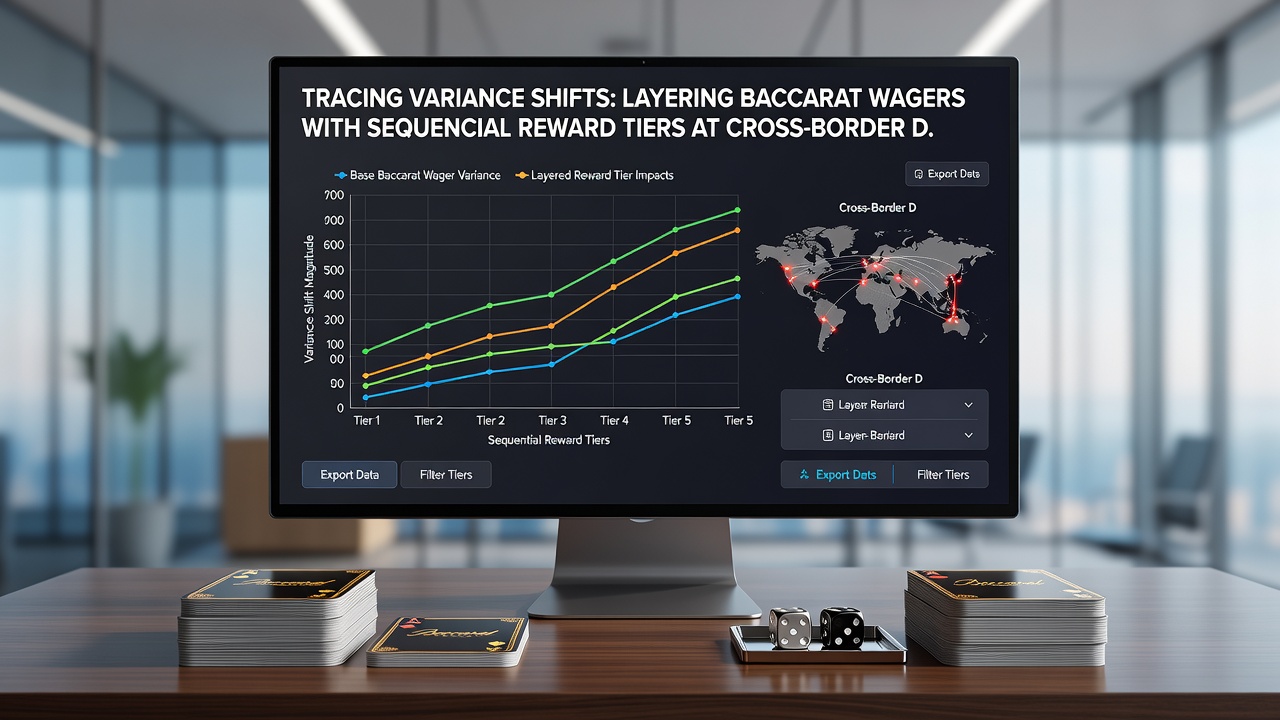
One documented case involved a cohort of 2,400 accounts monitored across three licensing regimes where variance increased by 22 percent after the third reward tier because average bet size rose 35 percent. The same dataset revealed that accounts using automated bet-spread tools maintained variance within a narrower band because the tools capped escalation at each tier boundary.
Regulatory Context in Mid-2026
Regulators in several markets have begun requiring variance disclosures for promotional structures that span multiple jurisdictions. The Ontario Lottery and Gaming Corporation issued updated reporting guidelines in May 2026 that mandate operators to publish tier-specific variance ranges for baccarat products offered to cross-border users. These requirements aim to give players clearer information about how sequential rewards interact with standard game volatility, though implementation timelines vary by operator size.
Practical Implications for Session Planning
Those who examine platform logs observe that variance compression occurs most reliably during the first two reward tiers when promotional credits form a larger percentage of total bankroll. After the fourth tier the promotional overlay typically represents a smaller fraction, returning variance closer to base-game levels. Cross-border operators have responded by publishing tier-progression calculators that estimate updated standard deviations once a player enters each new reward band.
Conclusion
Tracing variance shifts when layering baccarat wagers with sequential reward tiers requires simultaneous attention to base-game probabilities, tier thresholds, and jurisdiction-specific variables. Data collected through mid-2026 demonstrates that these interactions produce predictable yet measurable changes in outcome distribution, and operators continue to refine real-time tracking tools to reflect the evolving structure of cross-border digital tables. Continued monitoring across additional regulatory frameworks will further clarify how sequential promotions influence long-term session volatility.