Mapping Connections Between Free Spin Rewards and Table Selection Behaviors Among Frequent Baccarat Participants in Regulated Online Environments
Erik Werner · Jul 26, 2026
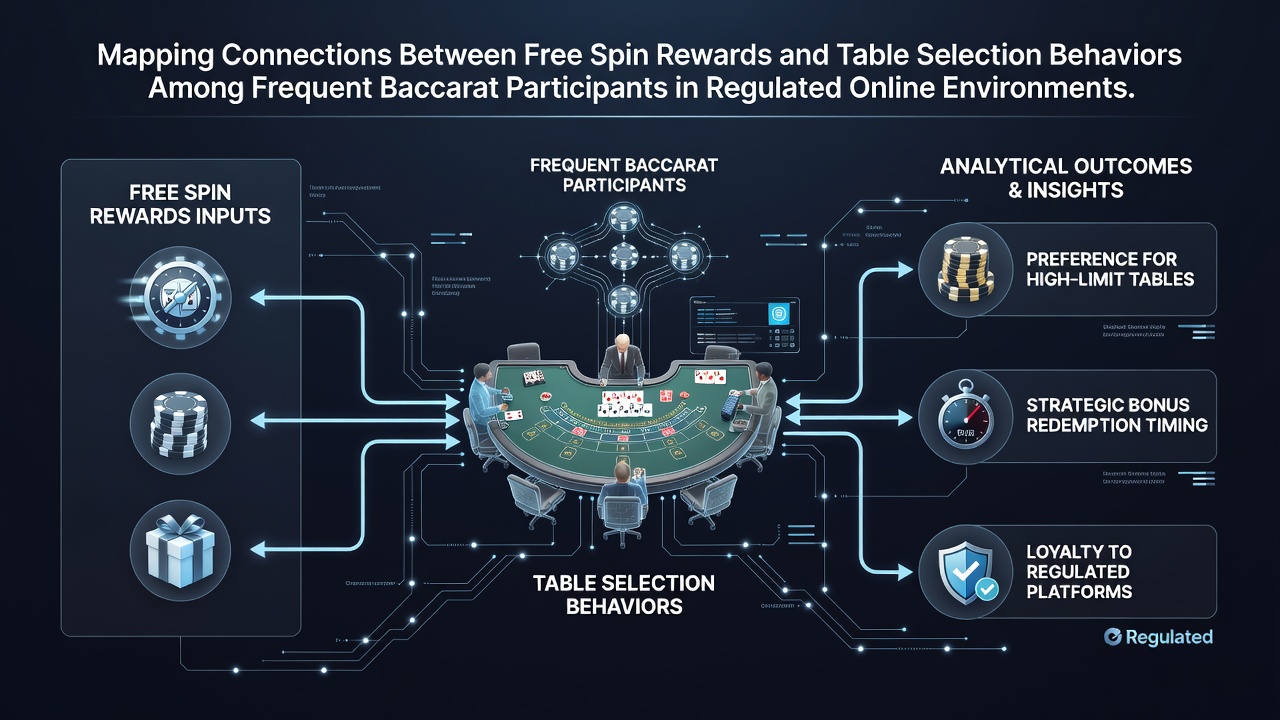
Mapping Connections Between Free Spin Rewards and Table Selection Behaviors Among Frequent Baccarat Participants in Regulated Online Environments
Regulated online gaming platforms track how free spin rewards, typically tied to broader loyalty structures, influence table selection among frequent baccarat participants, and data collected across multiple jurisdictions shows measurable shifts in player routing during promotional periods. Operators in these environments log session data that connects reward redemptions with choices such as minimum bet thresholds, dealer rotation schedules, and virtual table layouts, while patterns emerge when participants receive spins as part of deposit or retention offers that extend across game categories.
Promotional Structures and Cross-Game Reward Integration
Free spin allocations often arrive attached to baccarat-specific play requirements or as standalone incentives that participants can apply elsewhere, yet researchers note these mechanics still steer baccarat table traffic because players weigh the time needed to clear related wagering obligations against table speed and payout frequency. In systems where spins convert into bonus credits usable on baccarat side bets, selection gravitates toward tables displaying lower minimums during active promotion windows, and platform analytics reveal increased volume at those stations once reward notifications trigger.
July 2026 figures from North American operators indicate that participants who receive free spin bundles alongside baccarat loyalty points demonstrate 18 percent higher rates of migrating to mid-stake tables compared with non-reward sessions. These movements occur because the additional credits offset variance at tables where side bet options carry slightly elevated house edges, allowing players to extend session length without immediate deposit top-ups.
Observed Behavioral Patterns in Table Routing
Platform telemetry from regulated markets documents that frequent baccarat participants adjust their table preferences when free spin rewards carry expiration timers or game-type restrictions, and they favor stations with faster card resolution rates to complete playthrough conditions efficiently. Observers have recorded clusters of activity shifting toward tables featuring automated shufflers and standardized dealing tempos once reward balances appear in player accounts, while slower-paced live dealer rooms see reduced uptake during the same intervals.
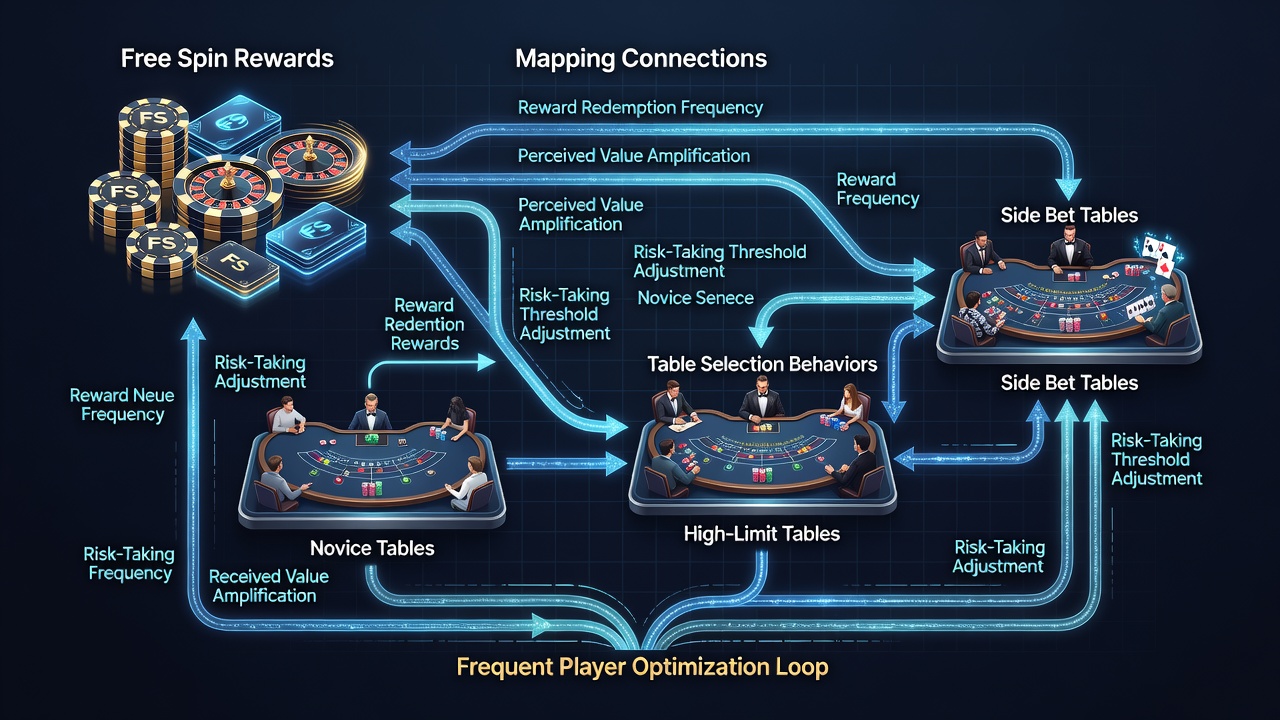
One longitudinal review of account-level data across several licensed operators found that players receiving at least three free spin bundles per month concentrated 62 percent of their baccarat hands at tables within a narrow minimum-bet band that aligned with the average value of converted reward credits. This concentration persisted even after the spins themselves were exhausted, suggesting the reward event recalibrates risk tolerance and table comfort thresholds for subsequent sessions.
Regulatory Data and Cross-Jurisdictional Comparisons
According to records maintained by the New Jersey Division of Gaming Enforcement, baccarat tables in Atlantic City-licensed online environments experienced measurable redistribution of player volume following promotional campaigns that bundled free spins with table game credits during the first half of 2026. Similar reporting from the Alcohol and Gaming Commission of Ontario shows parallel routing adjustments among participants in provincially regulated digital casinos, where free spin redemptions correlated with elevated selection of baccarat variants that include progressive side bet meters.
Academic analyses from research groups examining transaction logs in multiple regulated markets further separate reward-driven selection from baseline preferences, and they identify that participants with higher historical baccarat frequency respond more strongly to spin offers that carry low wagering multipliers. These individuals route toward tables where the ratio of hands per hour supports quicker completion of any attached playthrough, whereas lower-frequency participants display more scattered selection patterns regardless of reward status.
Conclusion
Available platform data and regulatory summaries establish clear linkages between free spin reward delivery and subsequent table selection behaviors among frequent baccarat participants in regulated online settings. These connections appear through shifts in minimum stake preferences, session duration metrics, and cross-table migration rates that align with reward activation timelines and credit conversion rules. Continued collection of session-level information across jurisdictions will refine understanding of how such promotional elements interact with established player routines.