How Virtual Reality Interfaces Reshape Baccarat Incentive Structures in Cross-Border Digital Gaming Networks
Erik Werner · Jul 14, 2026
How Virtual Reality Interfaces Reshape Baccarat Incentive Structures in Cross-Border Digital Gaming Networks
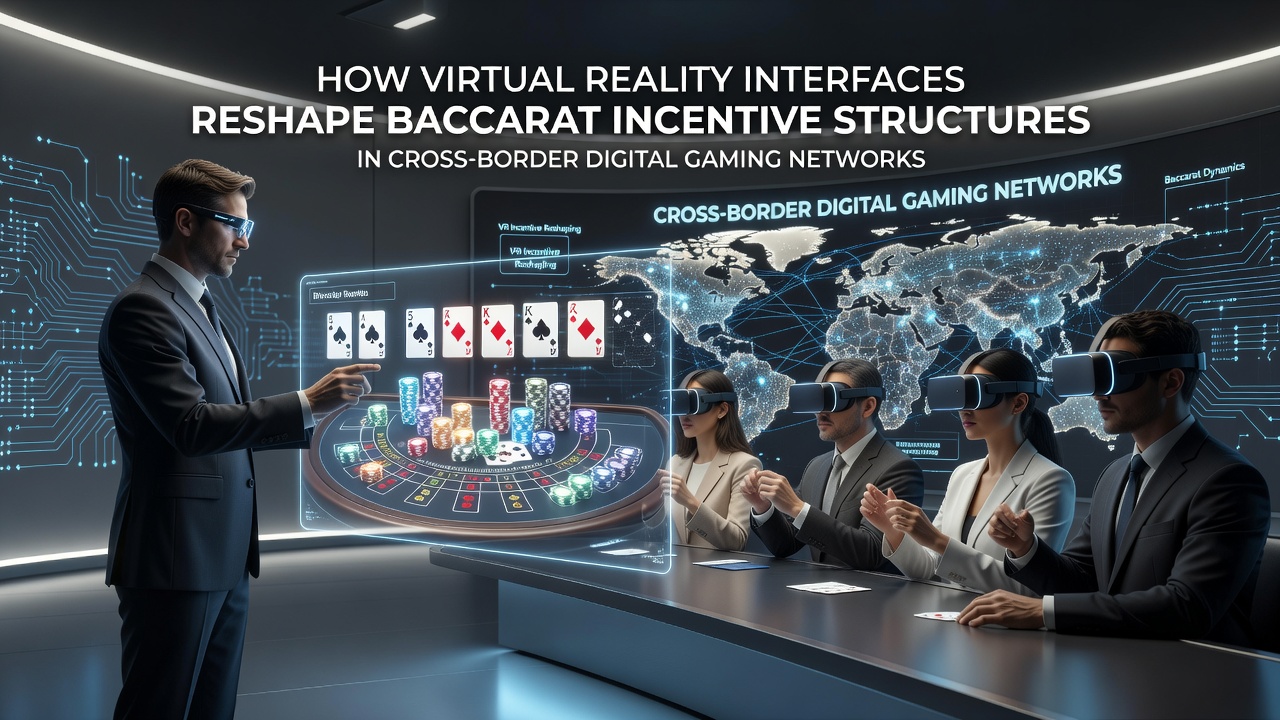
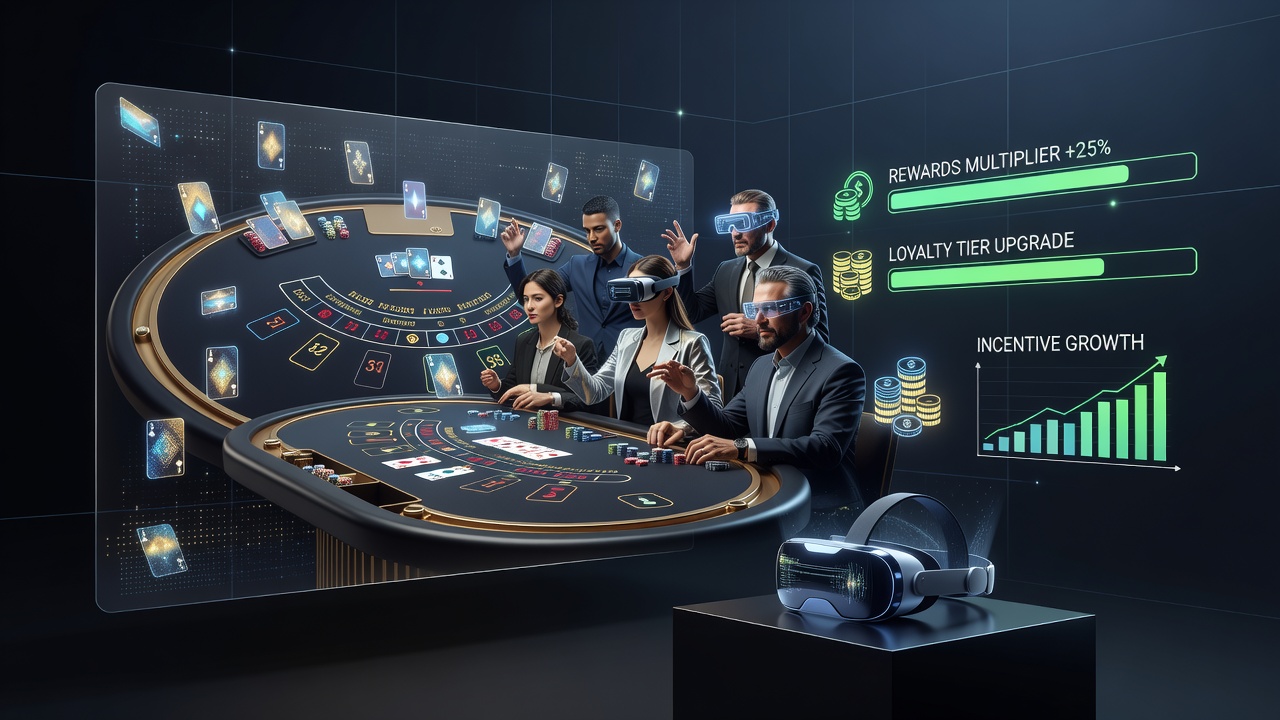
Virtual reality interfaces have begun altering how baccarat incentive structures operate within cross-border digital gaming networks, particularly as platforms integrate spatial tracking and real-time reward calibration during July 2026. Data from multiple operators shows that VR environments allow incentives such as deposit matches and loyalty credits to adjust dynamically based on player positioning, session duration, and interaction patterns at virtual tables. These adjustments differ from traditional screen-based systems because VR captures full-body gestures and gaze direction, which networks then translate into personalized bonus tiers.
Interface Mechanics Driving Incentive Changes
Cross-border networks connect servers across jurisdictions where VR headsets transmit player data through encrypted channels, and this flow enables operators to recalibrate promotions mid-session. For instance, a player who leans forward during high-stakes hands might trigger an automated credit allocation that scales with table minimums in the local currency of the network node. Researchers at several gaming technology institutes have documented that such mechanics reduce the lag between action and reward compared with flat mobile interfaces, while regulatory filings indicate compliance teams now review these real-time systems for fairness across borders.
One study released in early 2026 tracked incentive delivery in VR baccarat rooms spanning North American and Asian servers, revealing that loyalty ladders advance faster when players maintain consistent eye contact with virtual dealers. The same analysis found that side-bet promotions expand automatically when network algorithms detect clusters of participants from multiple countries, a feature absent in non-VR setups. Observers note this creates layered structures where free play credits or deposit boosts tie directly to immersion metrics rather than simple wager volume.
Cross-Border Network Adaptations in Mid-2026
By July 2026 several multinational platforms had expanded VR baccarat offerings, and figures from industry associations demonstrate that incentive redesigns now account for currency conversion rates embedded in the virtual environment. Networks route rewards through regional gateways so a Canadian player receives credits denominated in CAD while an Australian counterpart sees AUD equivalents, all within the same shared table. This setup relies on API connections that update promotional parameters every few seconds based on live regulatory updates from participating jurisdictions.
Data compiled by European gaming research groups shows that VR interfaces have prompted operators to shift from static bonus codes toward gesture-triggered rewards, and this transition appears most pronounced in networks handling traffic from both regulated and emerging markets. Experts tracking these changes report that side-bet incentives now include spatial bonuses, where standing at a virtual rail for extended periods unlocks additional free-play allocations unavailable on desktop versions.
Regulatory and Operational Considerations
Regulatory bodies in Canada and Australia have issued guidance requiring VR operators to log all incentive adjustments for audit trails, and this requirement has led networks to develop standardized reporting tools that capture both player movement data and corresponding reward outputs. Those who've examined the logs note that July 2026 filings reveal higher allocation rates for promotions when cross-border latency remains below specific thresholds, prompting operators to invest in localized edge servers.
Industry reports from the International Association of Gaming Regulators highlight that VR baccarat networks must now distinguish between promotional credits earned through immersion versus those from traditional deposits, a distinction enforced through separate ledger entries visible to compliance officers. This separation helps maintain alignment with varying tax treatments across participating regions while preserving player access to layered incentives.
Player Migration and Promotion Patterns
Patterns emerging in 2026 indicate that players migrate between VR tables when incentive structures favor certain spatial behaviors, such as remaining stationary during dealer shuffles to qualify for extended bonus windows. Cross-border networks respond by publishing updated terms that reflect these behavioral triggers, and data from operator dashboards shows increased session lengths when promotions align with natural VR movement flows.
Academic papers on digital gaming interfaces describe how algorithm-driven personalization in VR baccarat extends beyond deposit matches to include real-time side-bet multipliers tied to table occupancy rates. One such paper from a North American university examined multi-state networks and found that players who rotate seating positions in virtual rooms encounter recalibrated loyalty rewards more frequently than those who remain fixed.
Conclusion
Virtual reality interfaces continue to influence baccarat incentive structures across cross-border digital gaming networks through spatial data integration and dynamic reward calibration. As operators refine these systems during 2026, regulatory frameworks in multiple regions adapt to accommodate the new data streams while maintaining oversight of promotional fairness. Networks that successfully align VR mechanics with existing cross-border rules demonstrate measurable shifts in how players engage with and accumulate incentives.