14 Jun 2026
Exploring the Dynamics of Multi-Level Reward Systems for Baccarat Enthusiasts on Blockchain-Supported Casino Sites
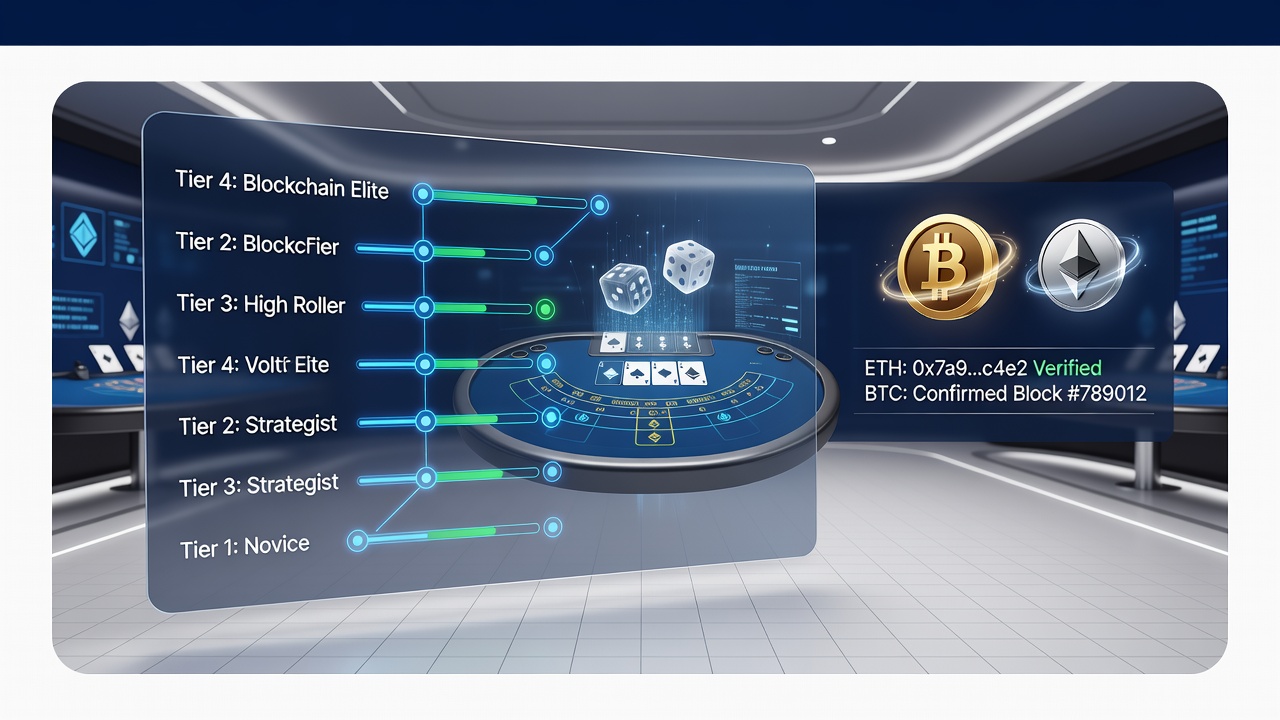
Multi-level reward systems on blockchain-supported casino sites structure player progression through defined tiers that unlock escalating benefits based on accumulated wagering volume and account activity, and these frameworks integrate smart contracts to automate reward distribution while maintaining transparent ledgers of all transactions. Baccarat enthusiasts encounter these systems at platforms where cryptocurrency deposits trigger immediate tier tracking through immutable records, allowing participants to advance from entry-level status to premium categories that deliver cashback percentages, exclusive side bet multipliers, and tokenized perks redeemable across decentralized networks. Data from industry reports in early 2026 indicate steady adoption of such layered programs as operators seek to retain high-volume players amid expanding crypto-enabled gaming options.
Mechanics of Tiered Progression in Crypto Baccarat Environments
Players typically begin at base tiers after initial deposits and accumulate points through baccarat wagers that factor both main game bets and side wagers, while blockchain protocols record each action in real time to prevent disputes over point calculations. Advancement occurs at predetermined thresholds measured in equivalent fiat values or native tokens, unlocking features such as reduced house edges on certain bets, priority access to live dealer tables, and periodic loyalty drops delivered via automated contract execution. Observers note that June 2026 saw increased platform updates incorporating AI-driven personalization to adjust tier requirements dynamically according to regional player patterns without altering core smart contract rules.
Blockchain Integration for Reward Transparency
Smart contracts execute reward releases once on-chain conditions are met, eliminating manual verification delays common in traditional systems, and this setup provides verifiable audit trails that players can inspect through public explorers linked to the casino's wallet addresses. Tokenized rewards often take the form of non-fungible assets or utility tokens that grant access to higher-tier events or convertible balances, whereas fiat-equivalent bonuses convert through exchange protocols embedded in the platform architecture. Research from academic sources on distributed ledger applications in gaming highlights how these mechanisms reduce operational overhead while enhancing player trust through verifiable fairness metrics.
Multi-tier structures frequently incorporate time-bound challenges that reset monthly or quarterly, encouraging consistent engagement across baccarat variants including mini-baccarat and speed tables, and successful completion grants bonus tier points that compound with regular play activity. Platforms differentiate these systems by offering hybrid rewards that blend on-chain tokens with off-chain privileges such as dedicated account managers or custom table limits for top-tier members.

Regional Trends and Player Migration Patterns in Mid-2026
Figures from Canadian regulatory assessments released in spring 2026 reveal growing volumes of crypto-based baccarat activity within provincially licensed environments, where multi-level rewards function alongside standard responsible gaming tools to track cumulative play across digital wallets. European operators, drawing from guidelines issued by bodies such as the Malta Gaming Authority, have adapted tier designs to comply with cross-border data standards while preserving the decentralized elements that distinguish blockchain platforms. Those who've examined migration data observe shifts toward sites offering seamless wallet integrations that preserve tier status during account transfers between affiliated networks.
Technical Considerations for Reward Allocation
Algorithmic adjustments to point multipliers occur in response to aggregate platform activity, with baccarat-specific promotions sometimes weighting side bet contributions higher to balance overall game economics, and these modifications deploy through versioned smart contract updates that maintain backward compatibility for existing tier members. External analyses from organizations like the Blockchain Gaming Alliance document instances where tokenized loyalty assets appreciate in secondary markets, creating additional value layers for dedicated participants beyond standard redemption options. Platforms in emerging markets incorporate local currency pegs into their reward ledgers to stabilize tier benefits against volatility in primary cryptocurrencies.
Security protocols leverage zero-knowledge proofs to verify eligibility without exposing full transaction histories, which protects player privacy while satisfying compliance audits required in multiple jurisdictions active as of June 2026. Integration with prediction markets and micro-bet features remains limited in baccarat-focused reward ecosystems, though some operators experiment with hybrid models that reward accurate outcome forecasts tied to live table results.
Conclusion
Multi-level reward systems continue to evolve on blockchain-supported casino sites through refinements in smart contract logic and tier accessibility features that respond to player volume patterns documented across 2026 reporting cycles. These structures deliver structured progression pathways that align with baccarat enthusiasts' preferences for transparent, automated benefit delivery while operating within the technical constraints of decentralized networks. Ongoing developments in wallet interoperability and regulatory alignment suggest further layering of reward mechanics as platforms scale operations into additional geographic markets.