Evolving Deposit Match Structures Shape Retention Patterns in Crypto Casino Settings
Olivia Krause · Aug 20, 2026
Evolving Deposit Match Structures Shape Retention Patterns in Crypto Casino Settings
Deposit match structures in crypto casinos have shifted noticeably over recent years, with operators adjusting bonus percentages, tiered rewards, and crypto-specific conditions to align with market fluctuations and player behavior data. These changes coincide with retention metrics tracked across multiple platforms, where studies from academic institutions reveal correlations between offer complexity and session duration.
Historical Adjustments in Match Offers
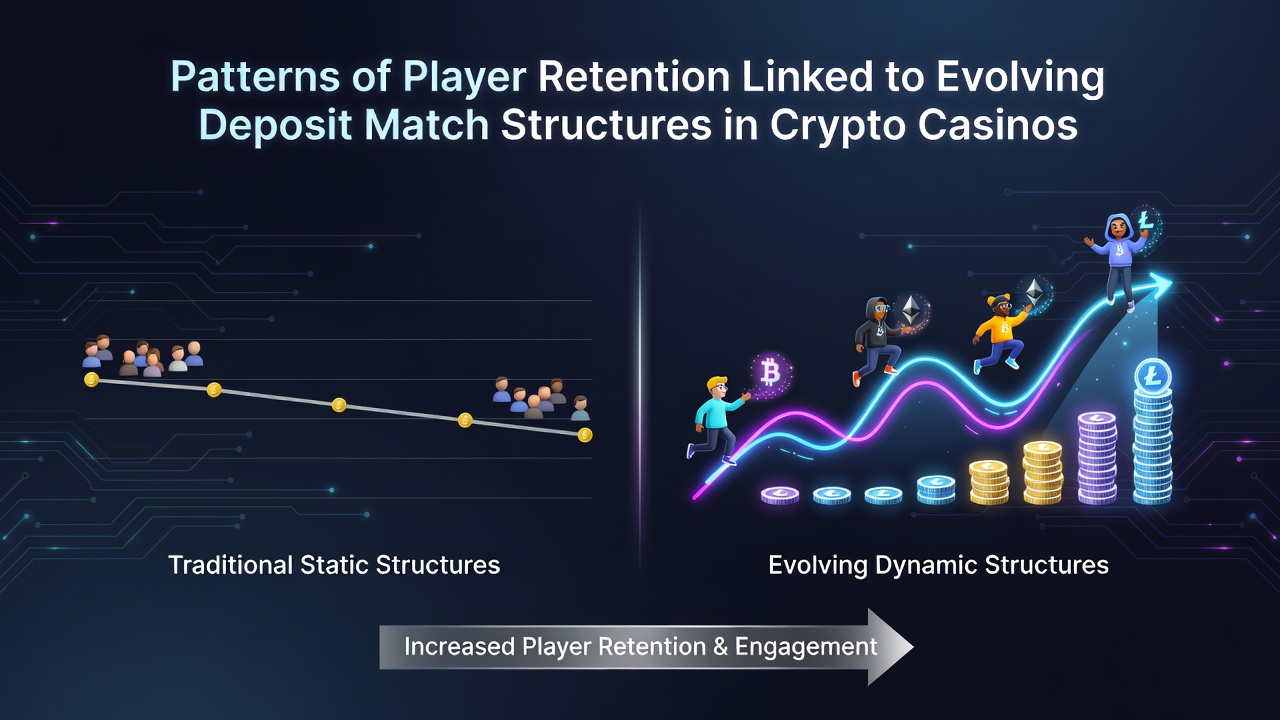
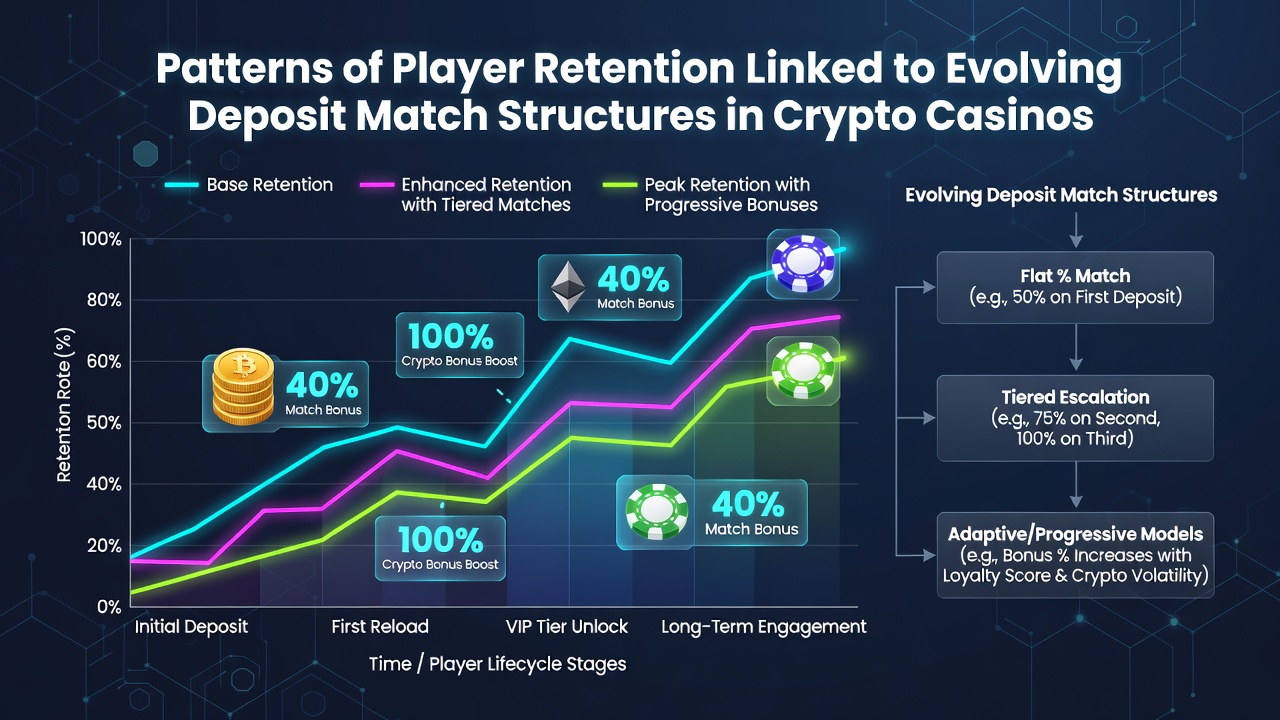
Early crypto casino models relied on straightforward 100 percent matches capped at fixed amounts, yet operators began introducing sliding scales by 2024 that rewarded larger deposits with higher percentages while incorporating time-bound rollover requirements. Data from industry reports shows these adjustments coincided with a measurable uptick in repeat logins during periods of bitcoin price stability, although retention dipped when volatility increased and players encountered mismatched expectations around bonus values.
Platforms started layering additional crypto elements such as gas fee reimbursements and multi-wallet support into match structures around mid-2025, which observers note helped maintain engagement among users who previously migrated between sites seeking better terms. Researchers at various universities have documented how these layered offers reduced churn rates in segments that favored smaller, frequent deposits over single large transactions.
Current Trends Observed Through August 2026
By August 2026, many crypto casinos had refined deposit matches to include dynamic adjustments tied to player tenure and deposit frequency, creating personalized percentages that decrease after initial sign-up periods but stabilize through loyalty integrations. Figures from regulatory filings in jurisdictions like those overseen by the Malta Gaming Authority indicate that platforms using such adaptive structures reported average retention extensions of several weeks compared to static models.
Those who analyzed transaction logs across decentralized networks found that matches incorporating stablecoin options alongside bitcoin and ethereum saw stronger holdover rates, particularly when rollover requirements aligned with typical play volumes rather than inflated targets. This pattern holds in regions where crypto adoption remains steady, while markets with regulatory uncertainty display faster player turnover regardless of bonus generosity.
Retention Metrics and Structural Variables
Analysts tracking player cohorts have identified several variables within deposit match designs that correlate with sustained activity. Tiered matches that unlock progressive rewards after consecutive deposits tend to extend lifecycle length more effectively than flat offers, according to aggregated platform statistics compiled by trade groups such as the European Gaming and Betting Association. Meanwhile, structures that impose strict daily limits on matched amounts show quicker attrition once players exhaust initial benefits.
One dataset released in early 2026 highlighted how crypto casinos incorporating smart contract verification for match eligibility experienced fewer disputes and higher return rates, since automated processes reduced delays between deposit and bonus credit. Players in these environments often completed wagering cycles at higher rates, sustaining revenue streams without proportional increases in acquisition spending.
Regional Variations in Offer Evolution
Operators serving North American audiences have leaned toward matches that bundle with prediction-style side features, whereas European and Asian platforms emphasize flexible withdrawal thresholds post-match. Reports from the Australian Communications and Media Authority note that jurisdictions with clearer crypto guidelines saw steadier retention curves when deposit structures emphasized transparency around conversion fees and network confirmations.
Cross-platform migration patterns further illustrate these differences, with data indicating that players frequently test multiple sites until encountering a match structure that balances immediate value against long-term playability. Crypto casinos that refreshed their offers quarterly rather than annually maintained steadier cohorts, as periodic updates aligned with seasonal engagement spikes observed in transaction histories.
Conclusion
Patterns linking deposit match evolution to player retention continue to emerge through ongoing data collection across crypto casino networks, with structural refinements such as tiered personalization and crypto-native features playing central roles in observed outcomes. Regulatory updates and market conditions through August 2026 have prompted further iterations that prioritize alignment between offer terms and actual user behavior, yielding measurable extensions in engagement windows where these adjustments take hold.