23 Jun 2026
Decoding Blockchain-Verified Reward Pools for Baccarat Side Bets on Cross-Border Digital Networks
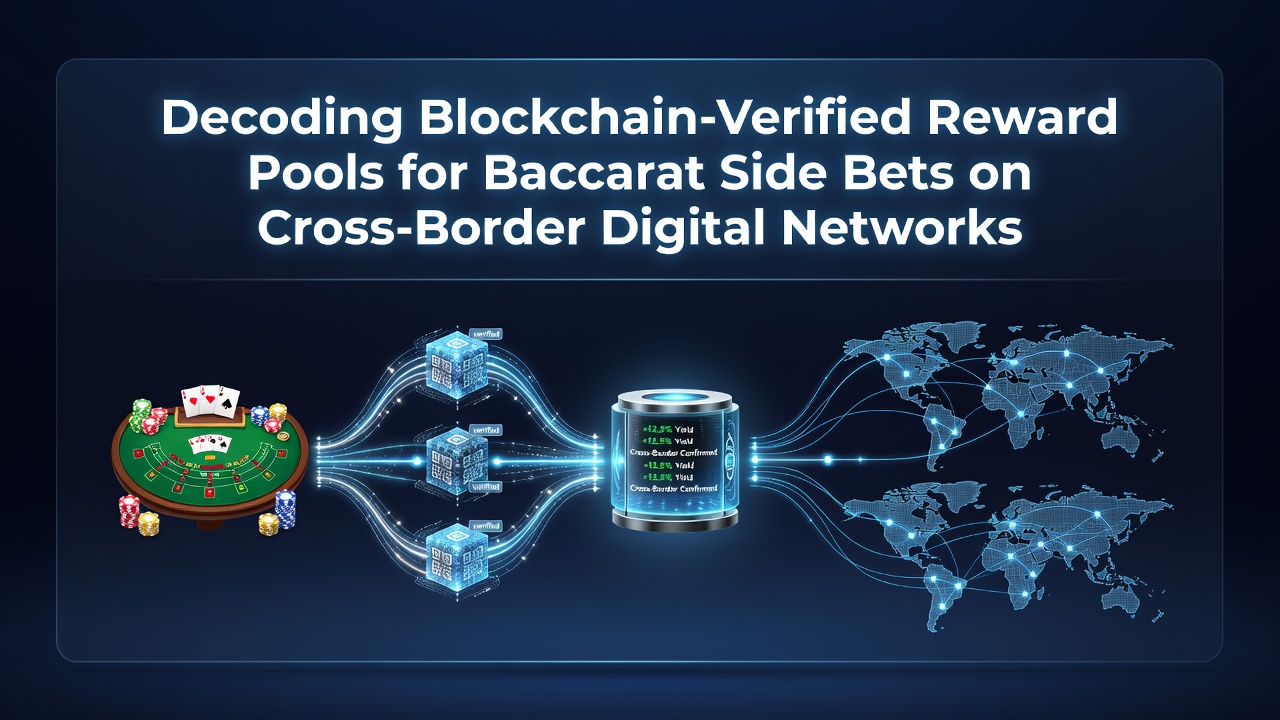
Blockchain technology now underpins reward pools that verify baccarat side bet payouts on cross-border digital networks, and operators have integrated distributed ledgers to track contributions from players across multiple jurisdictions. Data from industry reports shows that these systems record each side bet transaction on an immutable chain, which allows automated distribution of rewards when certain thresholds get met. Observers note that side bets such as the Dragon Bonus or Panda 8 generate separate pool contributions, and the blockchain layer timestamps every entry so that verification occurs without centralized intermediaries.
How Reward Pools Operate in Blockchain-Enabled Baccarat Systems
Each side bet feeds a percentage of its wager into a shared pool that smart contracts manage on the network, and the contract executes payouts only after consensus confirms the pool balance. Researchers at the International Gaming Institute have documented cases where pools reach predetermined amounts before automatic splits occur among qualifying players, which reduces disputes over allocation. Cross-border networks require additional compliance layers because different regions impose varying tax and reporting rules, yet the ledger itself remains consistent across nodes located in separate countries.
Operators in Canada and parts of Europe have adopted these pools for live dealer baccarat streams that serve international audiences, and transaction volumes recorded on public explorers indicate steady growth through the first half of 2026. In June 2026 several platforms reported pool sizes exceeding previous monthly averages after new side bet variants entered rotation, which demonstrates how the underlying verification mechanism scales with player activity.
Verification Mechanisms Across Jurisdictions
Smart contracts on these networks execute multi-signature approvals before releasing funds, and each approval references cryptographic proofs that confirm both the bet outcome and the pool contribution history. Auditors from regulatory bodies such as the Alcohol and Gaming Commission of Ontario have examined sample ledgers to verify that reward calculations match on-chain data, which provides an additional check beyond traditional RNG audits. Players access transparent dashboards that display current pool balances and historical distributions, although access remains restricted in markets where local law prohibits direct participation.

Technical Integration With Existing Casino Infrastructure
Existing casino management systems connect to blockchain nodes through application programming interfaces that convert game outcomes into standardized transaction formats, and this bridge ensures that every side bet recorded in the live dealer software also appears as a block entry. Network participants maintain copies of the ledger, so any attempt to alter past contributions becomes detectable through hash mismatches. Studies published by the European Gaming and Betting Association indicate that reconciliation times between game servers and the blockchain layer now average under three seconds on high-throughput chains, which keeps gameplay uninterrupted.
Cross-border networks face latency challenges when nodes span continents, yet sharding techniques and layer-two solutions have mitigated delays according to technical papers presented at recent gaming technology conferences. In practice, operators route player traffic to the nearest node cluster while the global ledger maintains unified pool state, which preserves both speed and consistency.
Regulatory Considerations in Mid-2026
Regulators in multiple regions continue to evaluate how blockchain-verified pools fit within existing gambling frameworks, and some jurisdictions require operators to maintain fiat reserves that match on-chain balances. Government agencies in Australia and Singapore have issued guidance documents that outline reporting obligations for pools that cross national borders, while enforcement actions remain focused on consumer protection rather than the underlying technology. Data compiled by the World Lottery Association shows that platforms using verified pools experienced fewer payout disputes in 2025 compared with traditional systems, although comprehensive 2026 figures are still being collected.
Operators must also address data privacy rules such as GDPR when storing player identifiers alongside transaction hashes, and several networks now employ zero-knowledge proofs to confirm eligibility without revealing personal details. These adaptations allow cross-border participation while satisfying local data protection requirements.
Future Developments and Network Expansion
Additional side bet types are entering blockchain pools as platforms test new variants that appeal to international audiences, and integration with prediction markets remains an area of active exploration according to industry briefings. Network upgrades scheduled for later in 2026 aim to increase throughput further, which could accommodate higher volumes during major sporting events that drive baccarat traffic. Observers note that the combination of transparent verification and automated distribution continues to attract operators seeking to differentiate their offerings in competitive digital markets.
Conclusion
Blockchain-verified reward pools have become a functional component of baccarat side bet operations on cross-border digital networks, supported by smart contracts, regulatory oversight, and expanding technical infrastructure. Figures from multiple sources confirm ongoing adoption through mid-2026, and the systems continue to evolve alongside changes in both technology and policy. Players and operators alike interact with these mechanisms through standardized interfaces that prioritize verifiable outcomes over centralized control.