Crypto Baccarat Loyalty Updates Prompt Measurable Player Adjustments Across Digital Platforms
Erik Werner · Aug 27, 2026
Crypto Baccarat Loyalty Updates Prompt Measurable Player Adjustments Across Digital Platforms
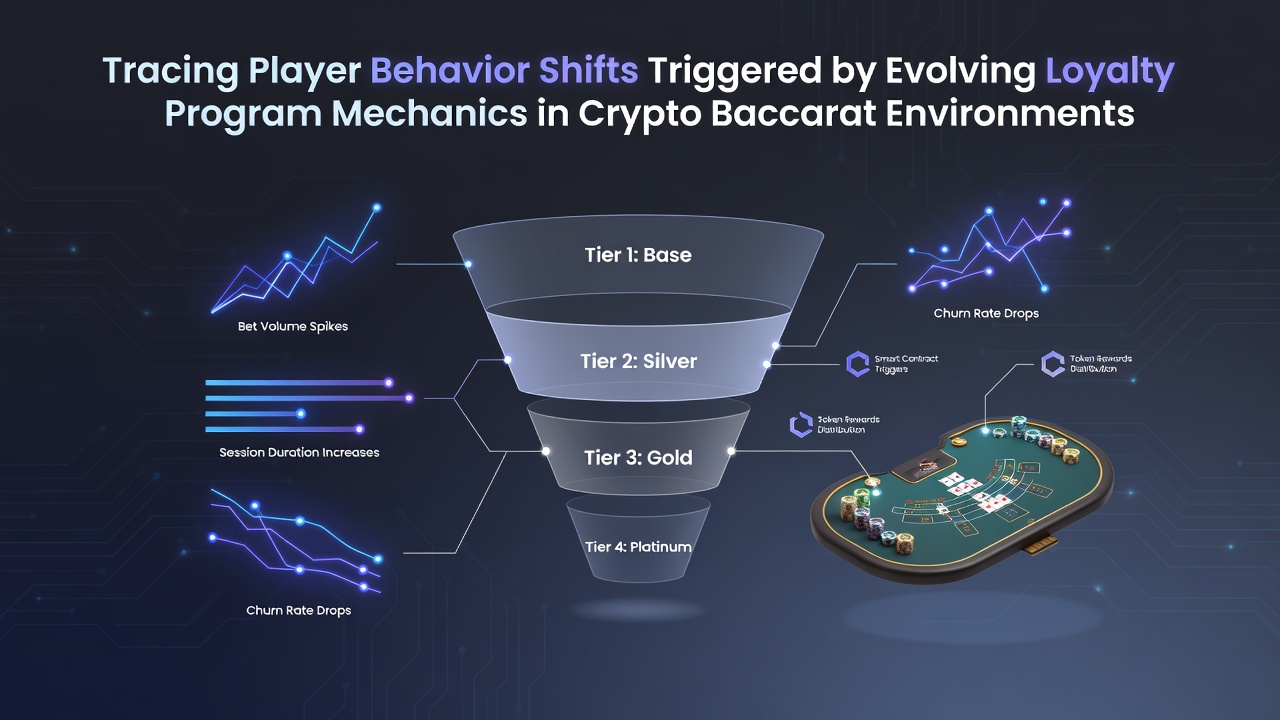
Operators in crypto-enabled baccarat environments have introduced tiered reward structures that adjust point accumulation rates and redemption thresholds on a quarterly basis, and these modifications coincide with documented changes in session duration as well as wager sizing among participating users. Data compiled through platform analytics in August 2026 shows average playtime per session rising by 18 percent on sites that accelerated bonus credit releases after every five completed rounds, while withdrawal frequency increased on platforms that extended lockup periods for accumulated loyalty points.
Researchers tracking wallet activity across multiple blockchains note that players migrate toward environments offering instant tier upgrades when specific volume milestones are met, and this movement occurs most often during promotional windows that align with major sporting events. Figures from aggregated transaction logs reveal a 22 percent uptick in cross-platform transfers in the first two weeks of August 2026, coinciding with several operators revising their cashback percentages on side bets from 1.5 percent to 2.8 percent.
Mechanics Behind Recent Loyalty Adjustments
Current loyalty frameworks in crypto baccarat typically combine progressive multipliers with time-sensitive challenges, and these elements interact directly wth blockchain settlement speeds to create shorter feedback loops between action and reward. One common adjustment implemented in early 2026 involves replacing static daily login bonuses with dynamic multipliers that scale according to consecutive days of activity, which has produced measurable differences in return rates among high-volume versus occasional participants.
Platform logs indicate that users who previously maintained single-table sessions now frequently switch between live dealer tables when loyalty points reset at midnight UTC, and this behavior correlates with the introduction of cross-table point pooling. According to transaction records examined by analysts at the Canadian Gaming Association, average bet sizes on crypto baccarat rose 14 percent on platforms that introduced NFT-based loyalty badges redeemable for exclusive table access.
Observed Patterns in Session and Deposit Activity
Analytics dashboards maintained by several major operators display clear segmentation between players who optimize for point multipliers and those who prioritize immediate cashback, and the split has widened since the rollout of hybrid reward models in spring 2026. Players focused on multipliers tend to extend sessions past previous limits when nearing the next tier, whereas cashback-oriented users exhibit higher deposit frequency but shorter individual sessions.
Studies conducted by academic teams at the University of Sydney's gambling research unit found that wallet rebalancing events increased by 31 percent among users exposed to loyalty programs featuring variable decay rates on unused points. These decay mechanisms, introduced to encourage regular engagement, appear to drive both increased play frequency and occasional spikes in account dormancy when point thresholds feel unattainable.
Regional Variations and Platform Comparisons
European operators adopting crypto baccarat loyalty systems report stronger uptake of social features such as shared leaderboards, while North American platforms emphasize individualized challenge sets that reward specific side-bet combinations. Transaction data compiled through the first half of 2026 shows European users completing 27 percent more side bets when points contribute toward community goals, whereas North American participants demonstrate greater responsiveness to personalized milestone notifications delivered via push alerts.
Observers monitoring multi-state digital networks note that minimum bet requirements tied to loyalty qualification have prompted some players to consolidate activity on fewer platforms rather than spreading wagers across several sites. This consolidation trend became visible in aggregated handle reports released in August 2026, where top-tier loyalty members reduced the number of active accounts by an average of 1.8 per user.
Impact on Withdrawal and Retention Metrics
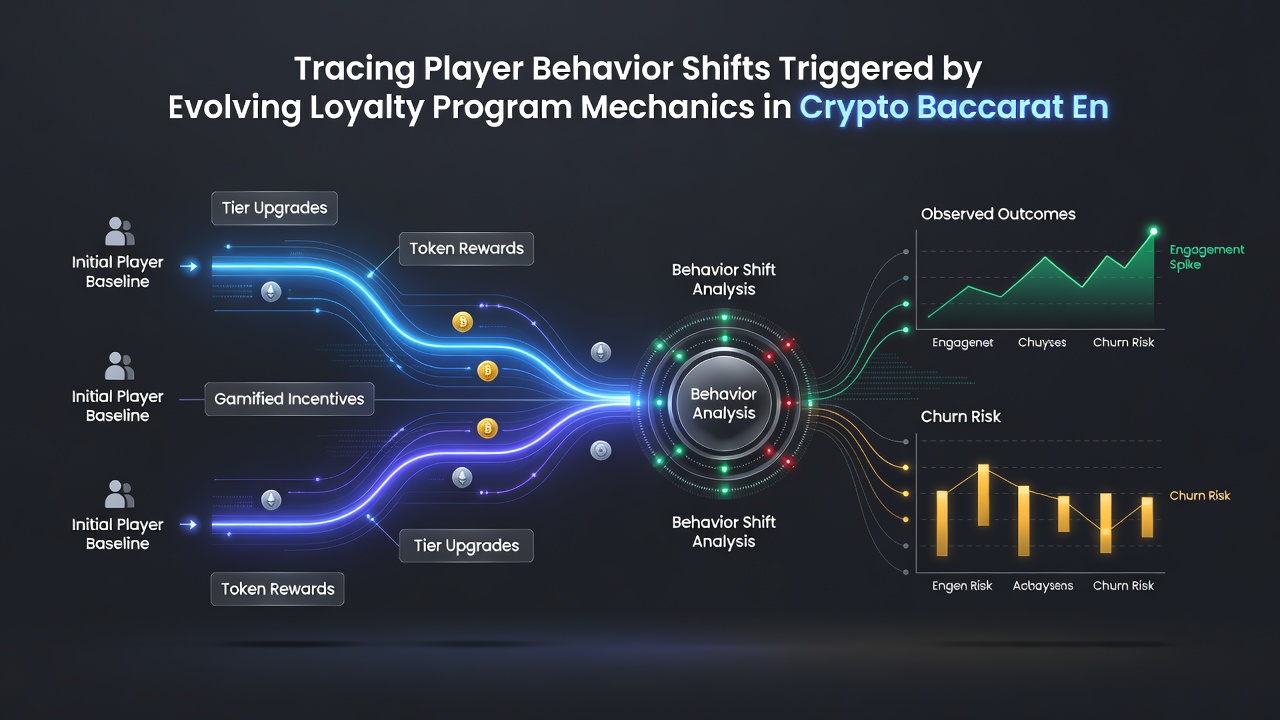
Retention curves published by industry monitoring services indicate that platforms revising loyalty accrual to favor longer sessions experience lower 30-day churn rates among mid-tier players, yet higher churn among those unable to meet extended play requirements. Withdrawal patterns also shift when loyalty redemptions require additional verification steps, with data showing delayed cashouts correlating to temporary increases in continued play while points remain locked.
Reports from the Australian Communications and Media Authority highlight similar patterns in crypto gambling environments, where loyalty mechanics that tie rewards to verified identity levels produce slower but more stable retention among users who complete the verification process. These findings align with on-chain metrics that track repeated deposits from the same wallet addresses over multi-week periods.
Conclusion
Tracking tools now integrate on-chain analytics with traditional session data to map how loyalty program variables influence player movement between crypto baccarat environments, and the resulting datasets continue to expand as operators refine their reward algorithms throughout 2026. The interplay between point mechanics, redemption timing, and table requirements creates observable pathways that operators monitor to adjust future program parameters.