Bonus code layering techniques transforming side bet approaches in regulated digital baccarat rooms
Viktor Friedrich · Aug 4, 2026
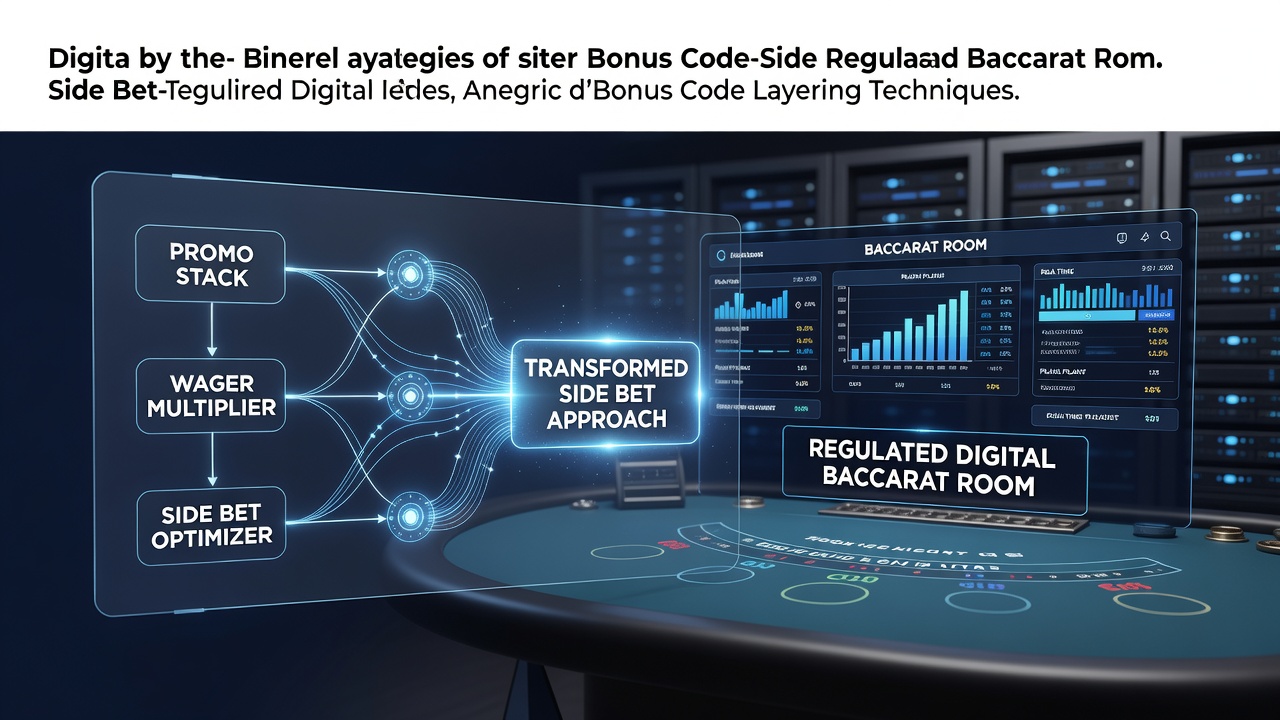
Regulated digital baccarat platforms have incorporated bonus code layering methods that allow sequential activation of multiple promotional codes within single gaming sessions, and this approach has altered how participants structure side bet wagers on banker pairs, player pairs, and tie outcomes. Data from various state oversight bodies indicate that these techniques emerged prominently during early 2026 as operators responded to updated compliance frameworks across multi-jurisdictional networks. Operators define bonus code layering as the strategic stacking of deposit match codes, free play vouchers, and cashback offers that trigger in phases rather than simultaneously. This sequencing creates extended wagering windows where side bet allocations receive separate credit multipliers, and researchers tracking platform analytics note that such layering extends average session duration by measurable margins in licensed environments.Mechanics Behind Layered Code Activation
Platform algorithms process bonus codes in designated order based on user account history and current balance thresholds, while side bet interfaces update available multipliers in real time. One documented process involves an initial deposit match code applying to main hand wagers, followed by a secondary free play code that converts directly into side bet credits once primary wagering completes. Observers note that this phased rollout prevents overlap violations that regulators monitor through transaction logs.
August 2026 reports from the New Jersey Division of Gaming Enforcement showed increased use of these sequenced codes in baccarat rooms, with side bet volumes rising in tandem with layered promotions. The mechanics rely on backend systems that flag eligible codes during each betting round, and participants who time their entries correctly gain access to compounded returns on pair and tie positions without triggering single-code restrictions.
Adjustments to Side Bet Allocation Patterns
Side bet strategies under layered codes shift toward smaller incremental wagers across multiple rounds instead of concentrated bets on single hands. This pattern emerges because each code layer often carries distinct wagering requirements that apply separately to banker pair or player pair selections. Figures from industry tracking services reveal that average side bet stake sizes decreased while total number of side bet placements per session increased across regulated mobile interfaces.
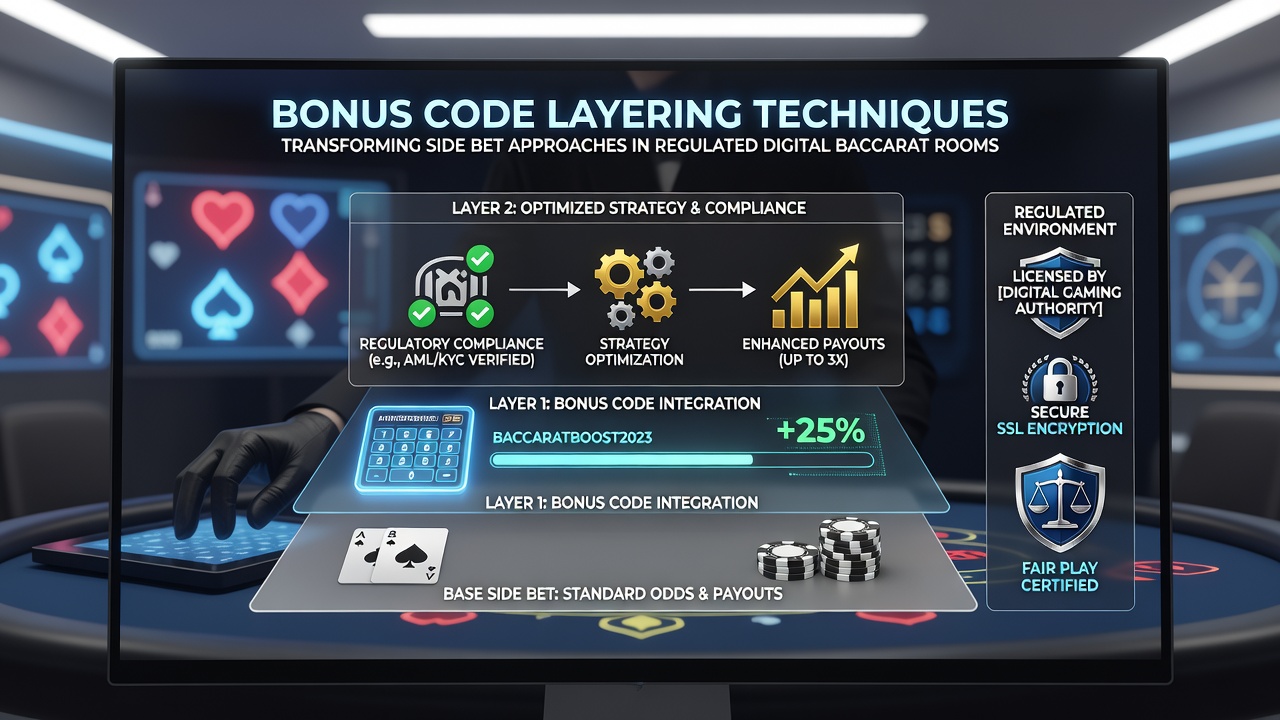
Take one operator network that introduced tiered code sequences in March 2026; their internal metrics indicated side bet participation on tie wagers grew by double-digit percentages once layering became available. The approach connects directly to regulatory caps on bonus stacking, which force operators to distribute promotional value across sequential triggers rather than single large allocations. Those monitoring these platforms observe that players now map code expiration dates against table minimums to maximize layered returns on pair bets.
Regulatory Oversight and Platform Compliance
Regulators in multiple jurisdictions require transparent disclosure of code layering rules within game interfaces, and compliance teams audit the sequence logic to ensure side bet outcomes receive equal treatment under each layer. Data compiled by the Malta Gaming Authority during mid-2026 audits highlighted how layered systems must maintain independent random number generator integrity for side bet resolutions even when promotional credits apply. This requirement prevents any perception that bonus sequencing influences underlying game mathematics.
Platform updates in August 2026 introduced additional verification steps that confirm each code layer activates only after prior wagering completes, and these checks reduced instances of code misuse across digital baccarat rooms. External links to oversight documentation from bodies such as the New Jersey Division of Gaming Enforcement and reports issued by the American Gaming Association provide further detail on these evolving standards.
Player Migration and Interface Adaptations
Analytics platforms recorded shifts in user traffic toward rooms that support layered codes, particularly where side bet interfaces display remaining code layers and their associated multipliers. Mobile applications adapted by adding visual indicators that track code progression during live dealer sessions, and this feature allows participants to adjust side bet sizing based on which promotional layer remains active. Research from academic groups studying digital gambling patterns shows these interface changes correlate with sustained engagement levels in regulated environments.
One case involved a multi-state operator that revised its baccarat side bet menu in response to layering adoption; the changes included dedicated sections for pair bets that accept credits from secondary code layers. Observers tracking these updates note that the modifications align with broader efforts to separate promotional play from standard wagering in audit trails.
Conclusion
Bonus code layering continues to influence side bet approaches in regulated digital baccarat rooms through sequenced activation and adjusted allocation patterns. Platform data from 2026 demonstrates measurable changes in wagering volume and session structure as operators align these techniques with compliance requirements. The integration of such methods reflects ongoing adaptations between promotional design and regulatory standards across licensed networks.