9 Jun 2026
Algorithmic Personalization Shapes Deposit Matches for Baccarat in AI Casino Apps
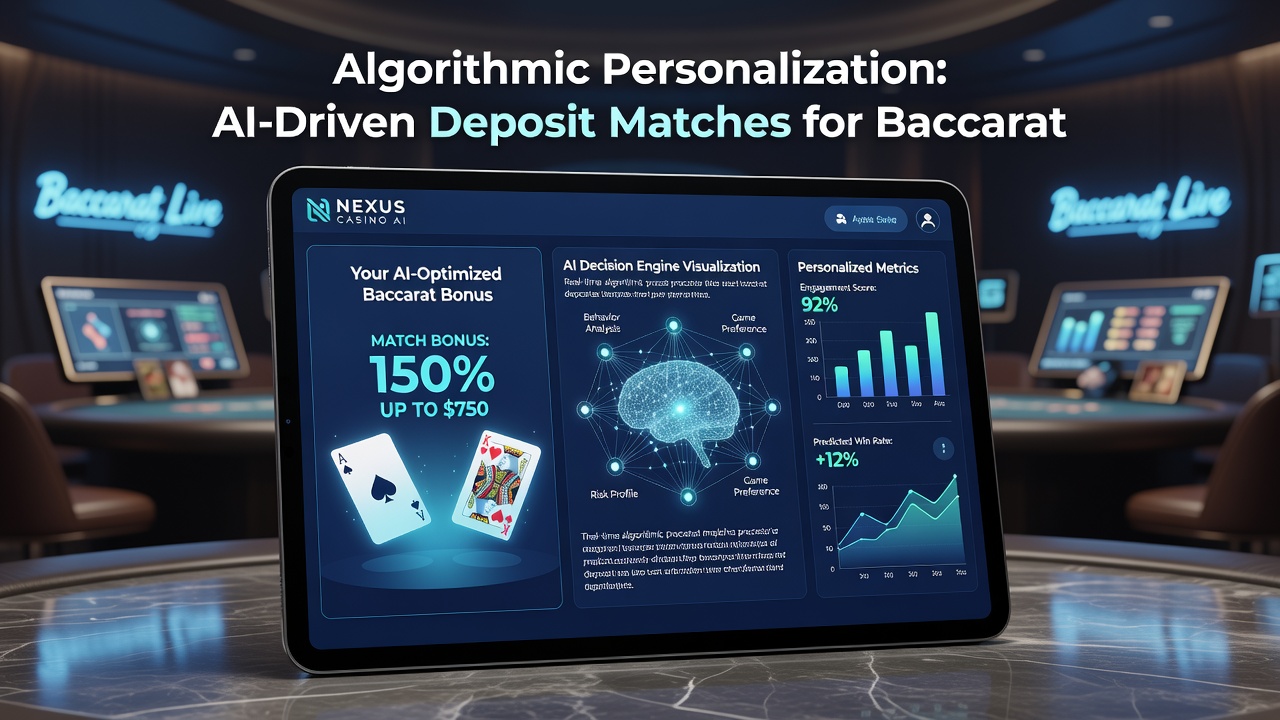
AI systems now analyze player behavior patterns in real time to adjust deposit match percentages for baccarat sessions inside mobile casino applications, and data from industry reports shows these adjustments occur across thousands of user accounts each day. Developers integrate machine learning models that process betting history, session duration, and game selection to generate offers tailored to individual accounts rather than applying uniform bonuses to all players.
Mechanics Behind Deposit Match Customization
Algorithms collect variables such as average wager size on baccarat tables, frequency of side bet selections, and deposit timing to determine match rates that range from 50 percent to 200 percent on initial funding amounts. These models operate through supervised learning techniques trained on anonymized transaction datasets, which allows the system to predict which match level encourages continued play without exceeding responsible gaming thresholds. In June 2026, several major app providers updated their frameworks to incorporate additional signals from live dealer interactions, and this change expanded personalization options for users who prefer traditional baccarat formats over digital variants.
Player segmentation occurs automatically when new deposits are detected, with clusters formed around metrics like total lifetime value and preferred payment methods. One study from the University of Nevada Reno examined similar systems and found that segmented offers increased average session length by measurable margins compared to static promotions, while regulatory filings indicate that operators must log these adjustments for compliance audits.
Data Inputs and Model Training Processes
Input features include time-of-day deposit patterns, device type used for access, and historical response rates to previous match offers. Neural networks process these inputs in batches, generating probability scores that dictate the final match amount displayed to each account holder. Observers note that baccarat-specific models often weigh card-draw frequency and streak participation more heavily than models built for slots, because the slower pace of baccarat creates distinct behavioral signatures.
Training datasets draw from multi-state operations where online gaming is licensed, and updates occur monthly to reflect shifts in player preferences. Figures released by the American Gaming Association in early 2026 indicated that personalized deposit matches now account for a growing share of promotional spend in digital baccarat environments, although exact percentages vary by jurisdiction.
Integration with Regulatory Requirements
App developers maintain audit trails that document how each algorithmic decision aligns with local rules on bonus transparency and fair play. In regions such as New Jersey and parts of Europe, operators submit model documentation to oversight bodies before deployment, and these submissions include details on bias mitigation steps applied during training. Malta's gaming authority requires periodic third-party reviews of personalization engines to confirm that offers do not disproportionately target accounts showing signs of elevated risk.
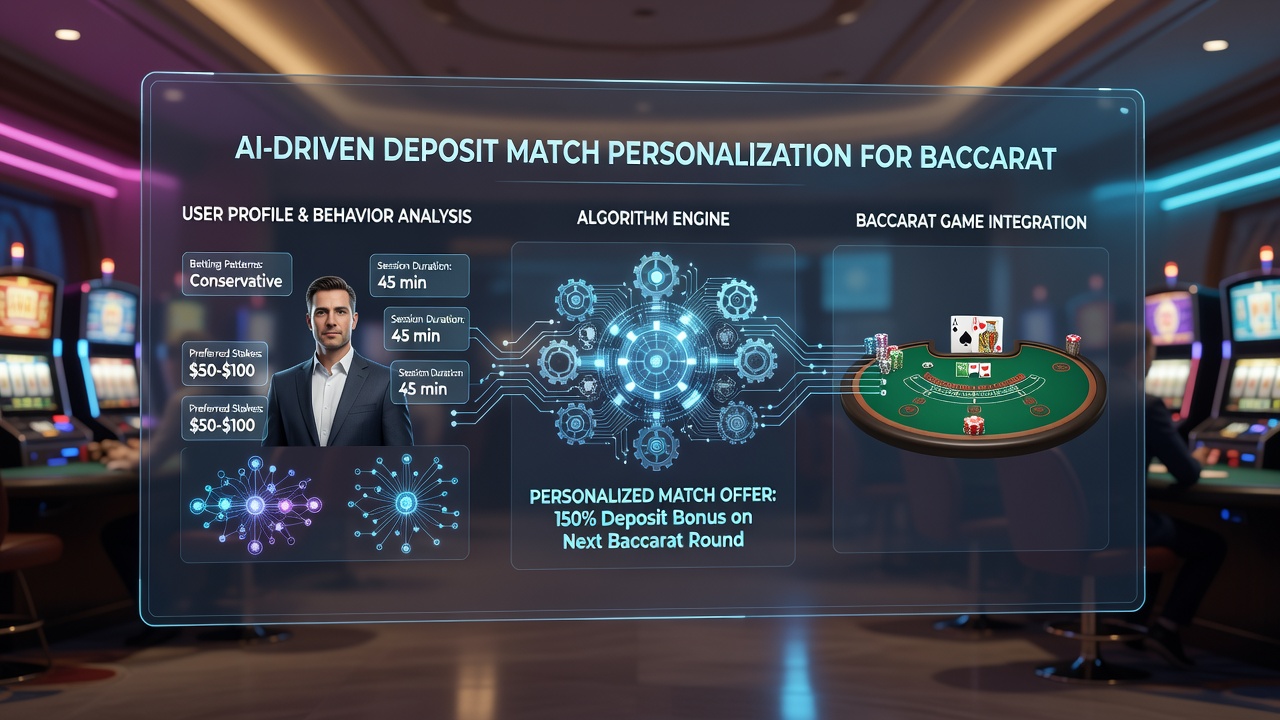
June 2026 saw several jurisdictions introduce draft guidelines that specifically address algorithmic bonus delivery, requiring operators to provide players with clear explanations of how match values are determined. These guidelines emerged after consultations with industry groups and academic researchers who analyzed large-scale transaction logs from multiple platforms.
Observed Trends Across Platforms
Reports from platform operators show that personalized deposit matches for baccarat frequently appear alongside dynamic wagering requirements that adjust based on the same data models. For instance, accounts classified as high-frequency baccarat users receive offers with lower playthrough multipliers, while new accounts encounter standard requirements until additional behavioral data accumulates. This layered approach relies on reinforcement learning loops that refine recommendations after each completed bonus cycle.
Cross-platform comparisons reveal that apps using ensemble methods, which combine decision trees with deep learning, achieve higher precision in matching offers to player expectations than single-model systems. Data shared at recent industry conferences highlighted case examples where conversion rates from deposit to active baccarat play rose after algorithmic refinements were introduced.
Conclusion
Algorithmic personalization of deposit matches continues to evolve within AI-driven casino applications that feature baccarat, driven by expanding datasets and regulatory frameworks that emphasize transparency. Platforms operating in June 2026 demonstrate how machine learning integrates with compliance processes to deliver account-specific offers while maintaining auditability across licensed markets. Future updates are expected to incorporate additional real-time signals from emerging payment technologies, further refining the precision of these systems.