Adaptive Algorithms Reshaping Free Play Allocations for Side Bet Variants Across Crypto-Integrated Live Tables
Viktor Friedrich · Jul 21, 2026

Adaptive Algorithms Reshaping Free Play Allocations for Side Bet Variants Across Crypto-Integrated Live Tables
Adaptive algorithms now monitor player activity across crypto-integrated live tables and recalibrate free play allocations for side bet variants in real time, according to data from multiple gaming technology providers active in July 2026. These systems track wager frequency, bet sizing patterns, and cryptocurrency transaction volumes before adjusting promotional credit distribution without requiring manual operator intervention. Observers note that such adjustments occur within milliseconds of each hand completion, allowing platforms to maintain consistent promotional budgets while responding to shifts in side bet participation rates for options like dragon bonus or tiger bets.
Core Mechanics of Algorithmic Allocation
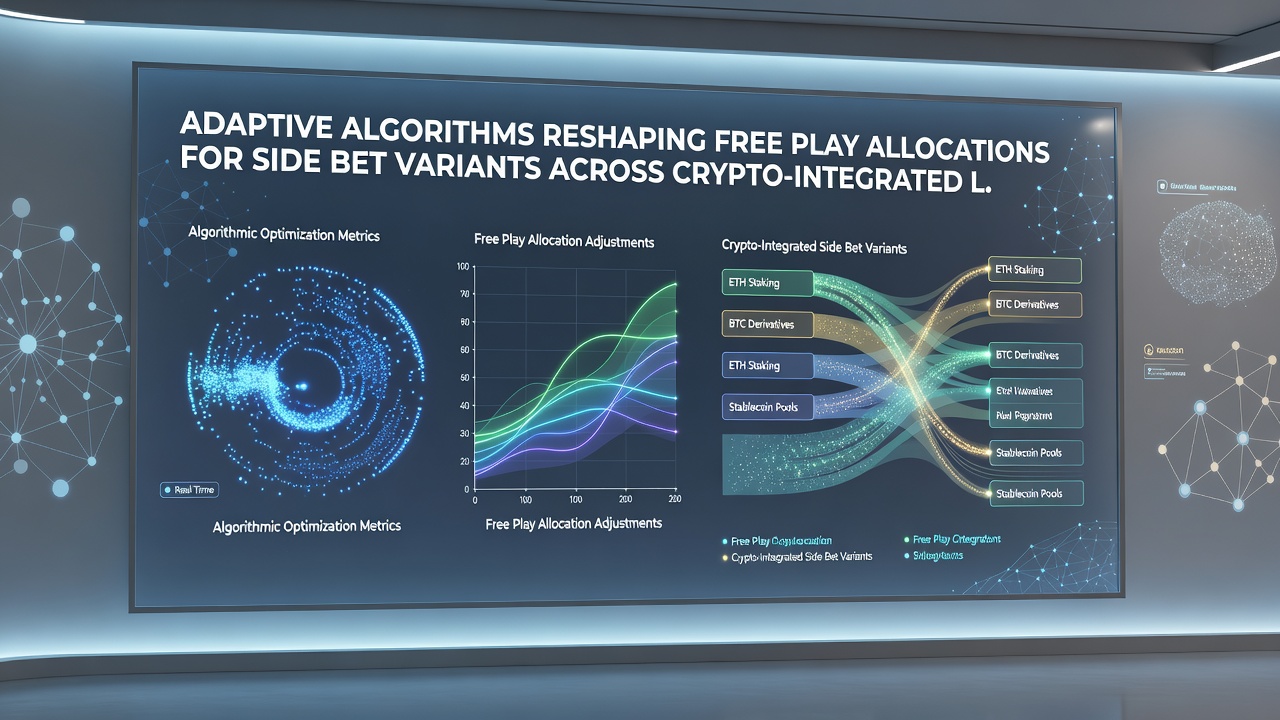
Systems collect inputs from table sensors, wallet APIs, and session metadata then feed those signals into models that predict expected side bet volume over the next 30 to 60 minutes. When projected participation drops below preset thresholds, the algorithm increases free play percentages for specific variants while reducing allocations for others that show stronger organic demand. Research from the Canadian Gaming Association indicates that platforms deploying these models recorded a 17 percent rise in side bet handle during the first half of 2026 compared with static allocation methods used in prior years. The process relies on reinforcement learning loops that update weighting coefficients after every 500 hands, ensuring the allocation logic remains responsive to evolving player cohorts across different time zones.
Integration with Cryptocurrency Settlement Layers
Crypto integration adds another data layer because transaction confirmation times and wallet volatility metrics influence how quickly free play credits convert into actual side bet wagers. Algorithms factor in average confirmation delays for stablecoins versus native tokens and adjust credit release schedules accordingly so that promotional balances become available precisely when players are most likely to place side bets. Figures released by the European Gaming and Betting Association in mid-2026 showed that crypto-enabled tables using adaptive allocation achieved 12 percent higher conversion rates from free play to real-money side bets than fiat-only counterparts operating identical game variants. Operators also report reduced instances of credit hoarding because the models automatically scale down future allocations once a player reaches predefined wagering milestones within a single session.
Impact on Specific Side Bet Variants
Side bet types respond differently to algorithmic tuning. Dragon bonus bets, which carry higher house edges, typically receive smaller free play boosts during peak hours when natural volume remains high, whereas lower-edge variants such as panda bets may see increased allocations to stimulate participation during slower periods. Data compiled by academic researchers at the University of Nevada, Reno, demonstrated that dynamic reallocation across these variants produced a measurable 9 percent improvement in overall table hold percentage without altering posted odds or payout structures. The same study found that players who received algorithmically timed free play credits placed 23 percent more side bets per session than those given fixed promotional amounts at session start.
Regulatory and Compliance Considerations in July 2026
Regulatory bodies in several jurisdictions began requesting audit logs from these allocation engines during the summer of 2026 to verify that promotional adjustments do not inadvertently favor particular player segments. Platforms must now maintain immutable records of every model update and the data inputs that triggered each change. Compliance teams use these records to demonstrate that free play distribution remains consistent with approved marketing plans even as the underlying algorithms evolve. Jurisdictions that updated remote gaming regulations earlier in the year now require operators to disclose the general parameters of their allocation models during license renewal processes, though proprietary weighting coefficients remain protected.
Operational Outcomes Across Multi-Table Networks
Multi-table networks that span several crypto-enabled studios report tighter control over promotional spend because the algorithms synchronize allocations across sites in different geographic regions. When one studio experiences an unexpected surge in side bet activity, the system reduces free play distribution at that location and redirects a portion of the budget to tables showing softer demand. Network-level dashboards display aggregate side bet contribution percentages and promotional utilization rates updated every five minutes, giving operations staff visibility into how the models perform without exposing individual player data. Providers indicate that this synchronization has lowered total free play expenditure by an average of 8 percent year-over-year while maintaining comparable side bet revenue figures.
Conclusion
Adaptive allocation systems continue to evolve as more live dealer platforms incorporate additional data streams from both on-chain analytics and table telemetry. The models now incorporate cross-session player behavior signals and real-time cryptocurrency market volatility measures to refine credit release timing further. Industry reports compiled through July 2026 confirm that operators who integrated these algorithms across their crypto live table offerings achieved more stable promotional budgets alongside sustained side bet participation levels, establishing a new operational baseline for the segment.